Reserach 1 – Michael Jackson Thriller
Research 2 – Sophie – Goodshirt
Research 3 – Young Blood – The Naked and Famous
Research 4 – Fix You – Coldplay
Research 5 – The hardest Button to Button – The White Stripes
How Social Media is Used to Promote Short Films & Music

Social media is now one of the main ways creators promote short films and music.Social media is now one of the main ways creators promote short films and music. Platforms like Instagram, TikTok, and YouTube let you build an audience directly through teaser clips, behind-the-scenes content, and mood posts that keep people interested before the project is even out.
Having a following gives you a direct line to your audience. The more engaged that following is, the more reach your release gets. It also builds a connection between the audience and the project early on, so people are already invested before they watch or listen.
Most successful accounts keep a consistent visual identity across all platforms, same colour grade, aesthetic, fonts, and tone that match the feel of the project. Usernames, profile images, and bios stay uniform everywhere. Engagement matters too; creators who reply to comments and post behind-the-scenes content tend to build stronger, more loyal communities. A good social media account for a film or music project works as an extension of the work itself. It’s about telling a story, not just advertising.
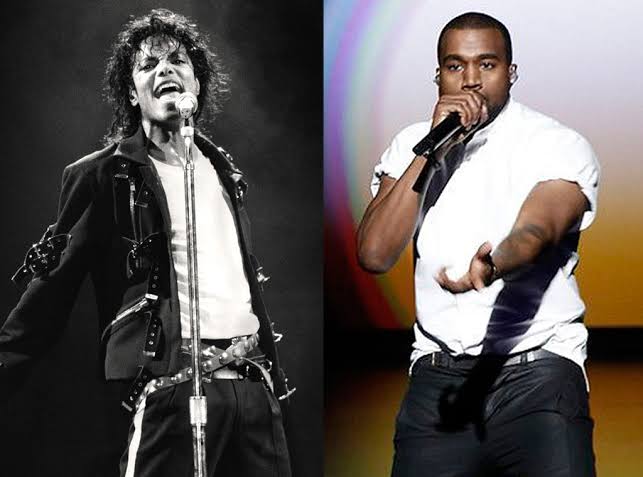
Research: Social Media Branding Analysis — Michael Jackson vs Kanye West
Tertiary Social Media Research

326,000 followers, 281 posts. Privately managed account focusing on maintaining the band’s legacy rather than active promotion. The visuals strictly follow their iconic red, white, and black colour palette using archival photos, live shots, and album artwork, immediately recognisable and consistent with their career long branding. Posts are tied to milestones like album anniversaries, vinyl reissues, and their Rock & Roll Hall of Fame induction rather than regular uploads, giving the page a museum-like quality. The bio links to a Linktree directing followers to music and merch. Overall the account communicates that The White Stripes are a timeless legacy act, they’re not trying to grow an audience rather they are trying to maintain it.
Quaternary Social Media Research

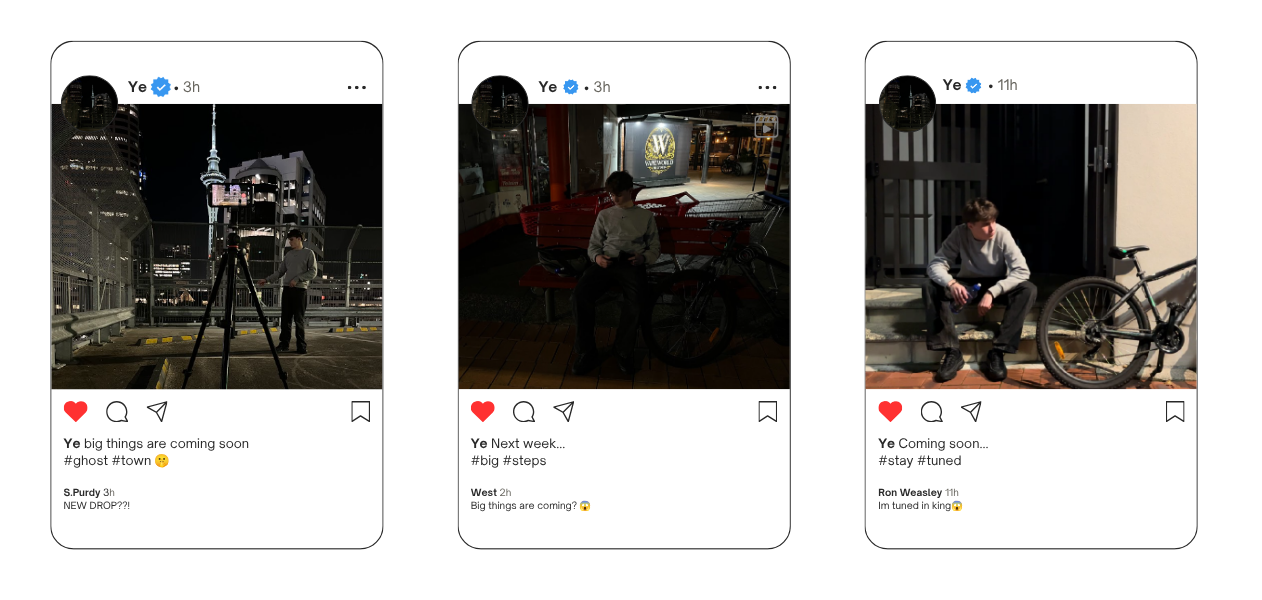
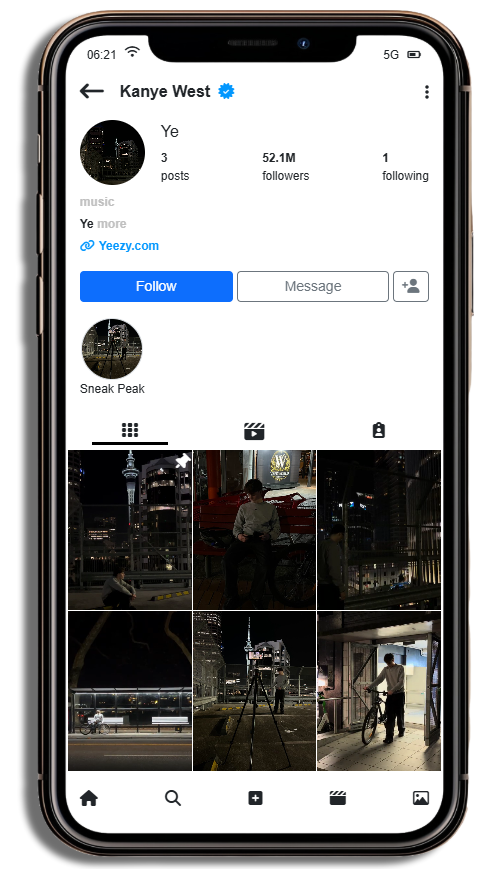
I have decided that for my social media studies account that I will use the popular app Instagram, this app connects to my research because of it perfectly combines visual storytelling, massive user base, and major user engagement into a single app with over 2.4 billion active users.
Instagram suits my target audience of teens to young adults, who are one of the platform’s most active demographics. The account will be minimalistic and dark, few posts, consistent low light level colour grading, and a muted colour style that represents the visual tone of the project. Posts will focus on teaser clips and mood shots to build curiosity. Inspired by Michael Jackson and The White Stripes’ consistent visual identity, every post will feel deliberate and on-brand rather than cluttered or chaotic.
What Exactly Is a Digipak, and Why Does It Matter for Physical Music?
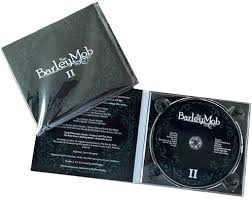
A digipak is a cardboard-based CD packaging format that opens like a book, with a plastic tray inside to hold the disc. It is used as a premium alternative to the standard plastic jewel case, giving artists more space for artwork, credits, and additional content while also being more environmentally friendly.
Typically a digipak will consist of 4, 6, or 8 panels of cardboard, with more panels giving more room for design and information. It usually includes information such as track listings, lyrics, credits, and artist details. Some digipaks also include an insert booklet slotted inside. The types of images on a digipak are usually artist photography, album artwork, and thematic visuals that reflect the mood or concept of the music, designed to make the physical product feel like a complete creative package rather than just a disc in a case.
Digipak artist evaluation
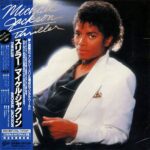
Michael Jackson — Thriller (1982)
The Thriller digipak includes standard information such as track listing, producer credits, and label details, all serving to give the release an official, professional feel. The imagery is dominated by Michael Jackson himself, shot in a warm but slightly eerie style that hints at the horror themes of the album without being overtly graphic. Branding choices lean into rich browns, golds, and deep shadows, with a clean serif font that was typical of the era. The overall style reflects the theatricality and showmanship of Jackson’s music, feeling grand and carefully produced. The horror undertones in the visuals directly mirror the content of the title track.
Kanye West — Ye (2018)
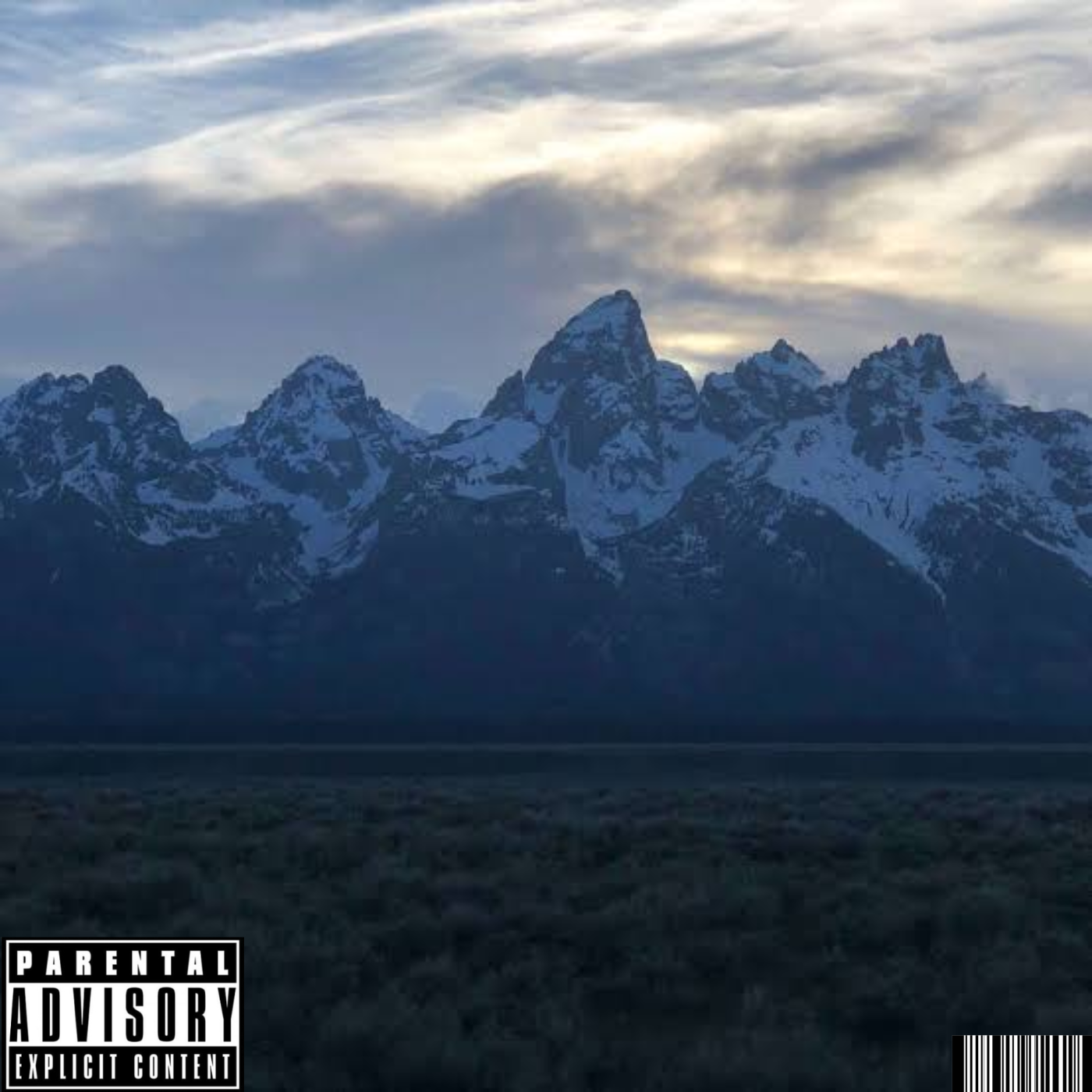
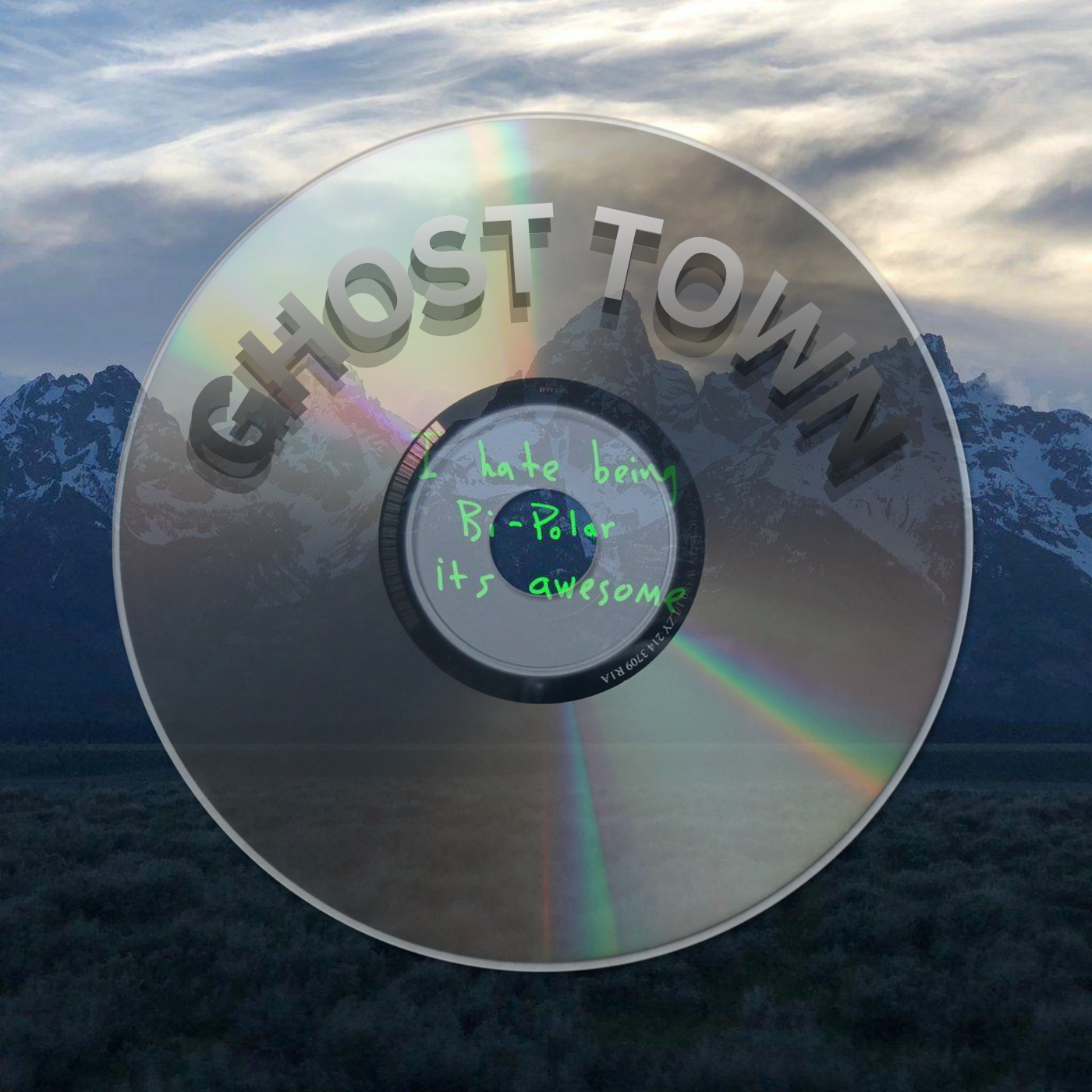
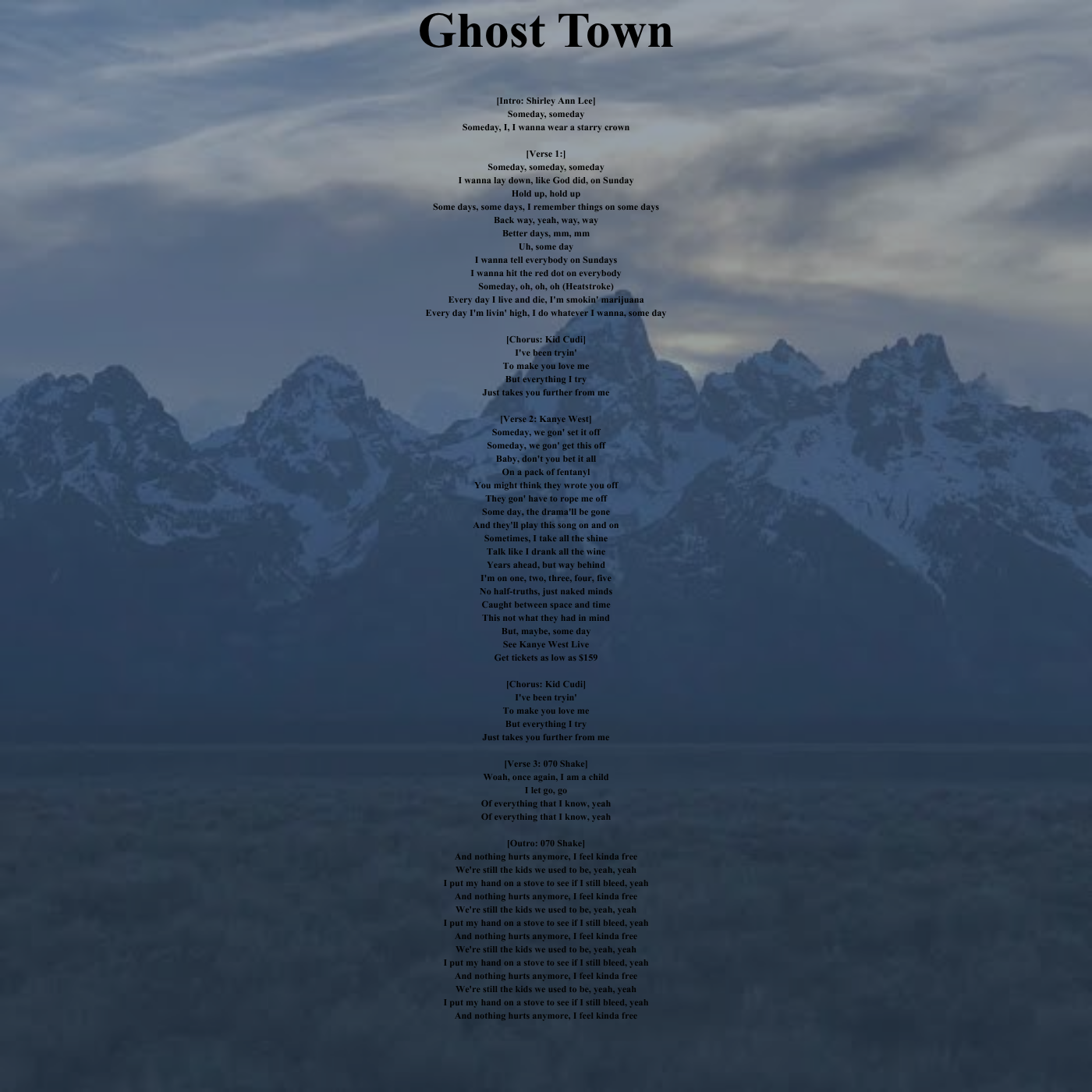
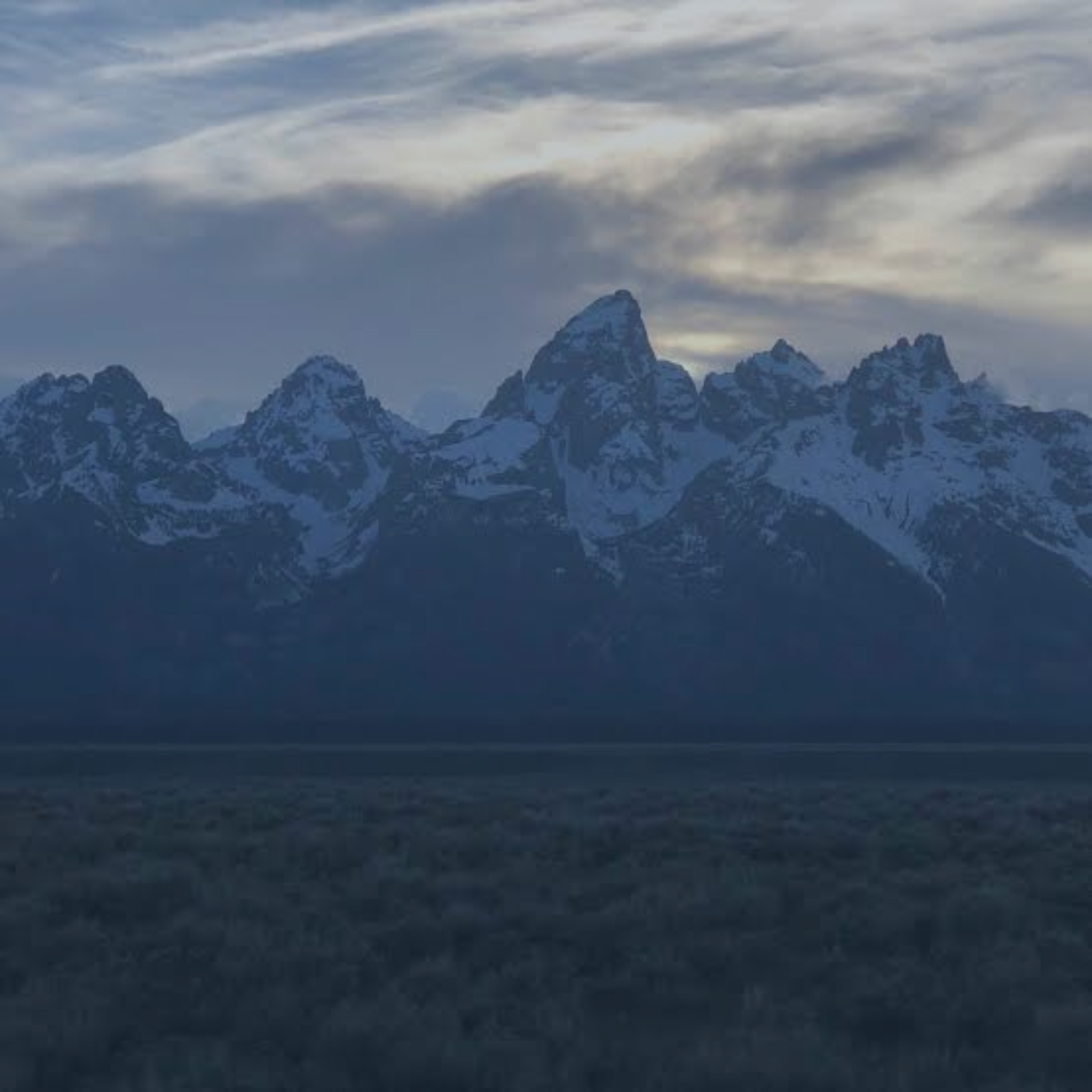
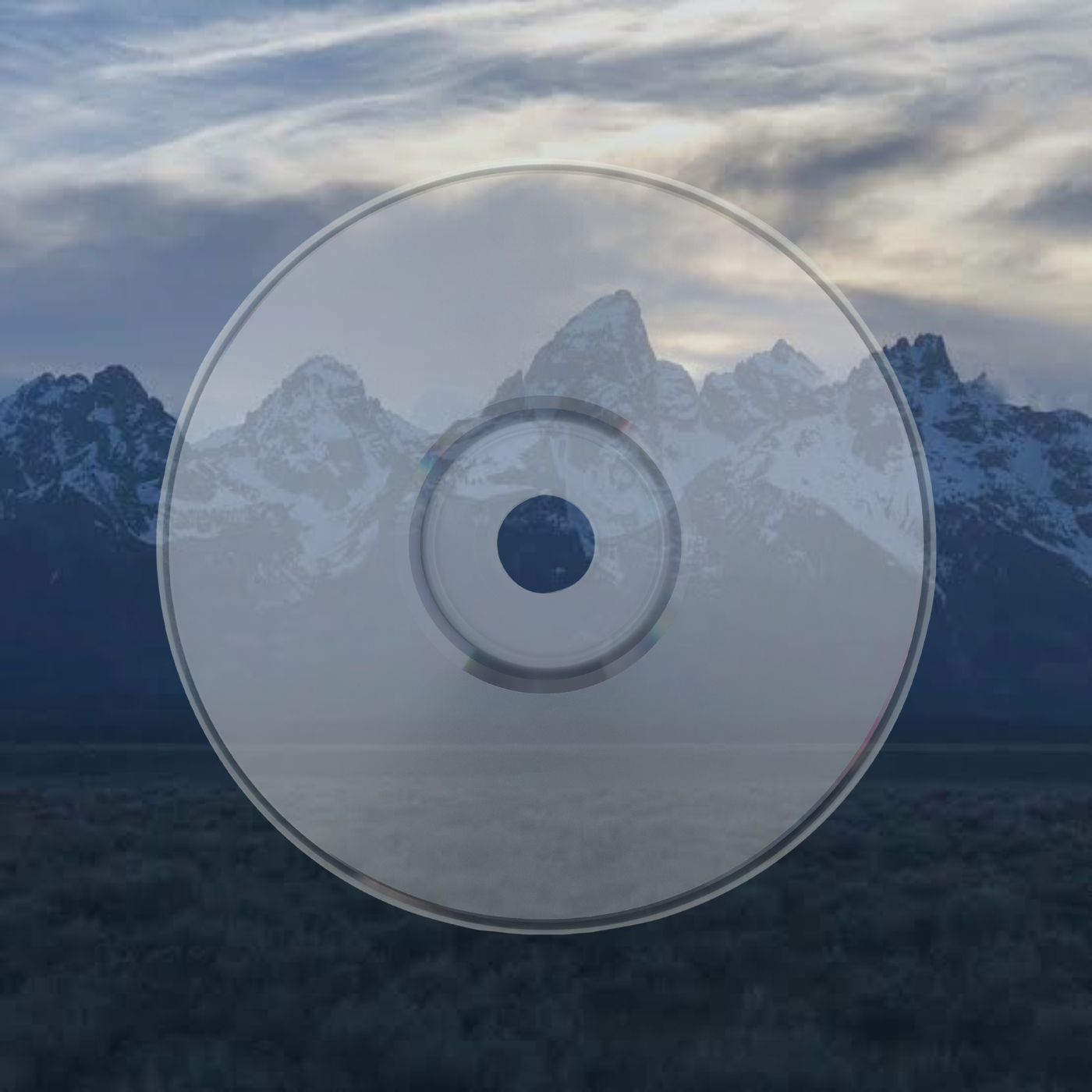
The Ye digipak is strikingly minimal. The cover is a landscape photograph of mountains with handwritten text scrawled across it in green, reading “I hate being Bi-Polar its awesome.” There are no elaborate graphics or typography choices, just a raw and unpolished image that feels deliberately personal. Information included is kept to a bare minimum, reflecting Kanye’s rejection of conventional presentation. The branding is intentionally unbranded, with no consistent colour palette or font system. This rawness directly mirrors the music on the album, which is confessional, chaotic, and deeply personal in tone.
Conventions of a Digipak and my plan of creation
From the examples and conventions explored in my research, a well designed digipak uses consistent visual identity, thematic imagery, and carefully considered layout to make the physical product feel like an extension of the music itself. The most effective digipaks treat every panel as part of the overall design rather than just a place to put information.
For my digipak I have chosen Michael Jackson’s Thriller. The song has a well established dark, horror influenced aesthetic that fits naturally with the moody visual direction I have been working with throughout this project.
The front cover will feature a dark, low light image with heavy shadow work, keeping the colour palette to blacks, deep reds, and muted tones. Typography will be minimal and clean, letting the imagery do most of the work. The back panel will include the track listing in a simple font consistent with the overall design.
The inside panels will use thematic visuals inspired by the gothic and horror elements of the song, atmospheric imagery rather than straightforward artist photography. I want the inside to feel like you are looking into a dark environment, which connects back to the core concept of the project.
The digipak will also include a credits and information panel with production details kept minimal and styled to match the rest of the design. Overall every design decision will be guided by consistency, making sure the tone, colour, and layout feel intentional and unified across all panels.
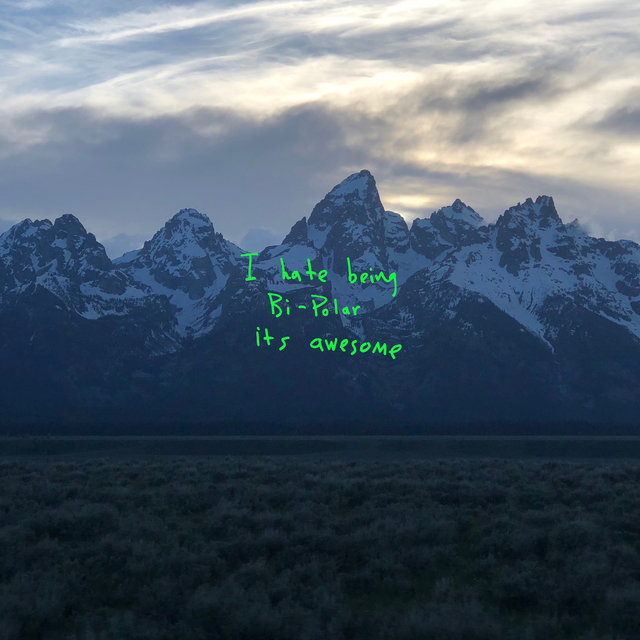
Throughout my reserach of Digipaks I have created my personal digipak for our group work music video that has been produced, throughout my creativity of this digipak I’ve kept a consistent style that is reflected from Kanye, keeping that minimalist to not take away focus from the art itself