Research: Film Opening Conventions & Analysis
This post’s goals: To view and analyse a variety of film openings, and to consider common conventions of modern film openings. By the end I should be able to say I’ve created a list of common conventions, understand why they follow a particular structure, and have reviewed my textual analysis skills through reviewing film openings.
Brainstorm
First thoughts — before research
Before doing any formal research, my first instict was a film opening to work by giving as little as possible of the plot while holding attention. This “hook” has been an idea of mine since the start of my blog so throughout my research, I paid alot of attention to how lighting and setting signal (dark, cramped spaces read as horror/thriller almost instantly) That character introductions matter less for who someone is and more for how they move and react under pressure, and that the biggest difference between a strong opening and a weak one is pacing and how long a director is willing to hold a shot before cutting away. I also assumed logos and production branding were mostly just legal/branding formality, tacked on before the “real” film starts.
In class we have studied some film openings so I was able to get more exposure into how a “hook” can capture an audience. I have made some notes and evaluation on the overall progression.
1. What genre would you say the film is?
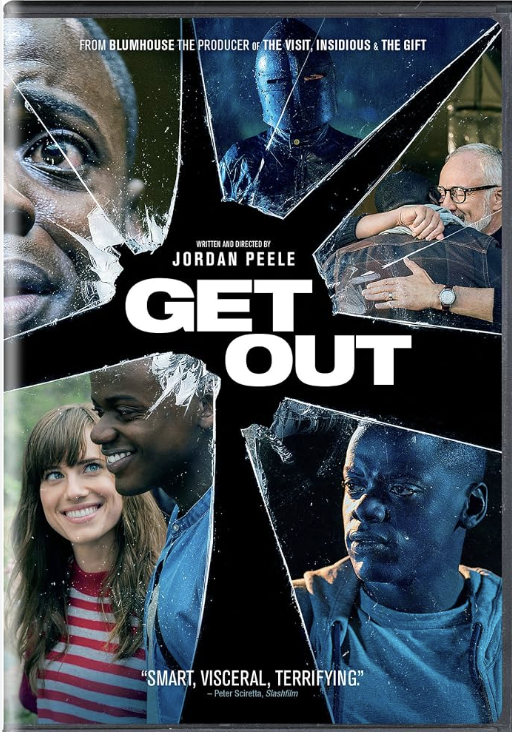
I would describe Get Out as a psychological horror thriller. Even though there is no violence straight away, the opening creates an unsettling feeling that something is wrong. The quiet streets, the lack of people, and the eerie music all build tension, making you expect that something bad is about to happen.
2. How does the film use and/or challenge the typical conventions of this genre?
The opening follows a lot of horror conventions. It has a character walking alone at night, dim lighting, an isolated location, and suspenseful music that keeps building. These are all things that make the audience feel nervous.
At the same time, it challenges the genre because the danger isn’t in an abandoned building or a haunted place. Instead, it takes place in a normal, wealthy suburban neighbourhood. The film also introduces themes of race very early on, which is unusual for a horror film and makes the story feel more realistic and thought-provoking.
3. How does it represent social groups and/or issues?
The opening represents the experiences of a young Black man who feels out of place in a mostly white neighbourhood. Before anything even happens, he seems uncomfortable being there, which reflects real concerns about race and belonging. This immediately introduces one of the film’s main ideas—that racism can exist in subtle ways beneath an ordinary-looking community.
4. What film opening conventions are utilized?
The film uses several conventions that are common in thriller and horror openings. It starts with establishing shots that show the quiet neighbourhood before introducing the main character. Suspense is created through the sound design, slow pacing, and camera work. There is also an enigma because the audience is left wondering who attacked the man and why. Ending the opening with the kidnapping and then showing the title makes the scene much more memorable.
5. What is a highlight for you of the film opening and what makes it effective?
For me, the strongest part of the opening is the kidnapping. The tension has been building for the entire scene, so when the attacker suddenly appears, it is genuinely shocking. I also like how little information the audience is given. Instead of explaining everything, the film leaves you with questions, which makes you want to keep watching to find out what is really going on.
Video Notes
“Art of the Opening Scene — How to Start a Movie 6 Different Ways, From Nolan to Baumbach”
| Technique | Example film shown | Why it works |
|---|---|---|
| 1. Enter the Villain | The Dark Knight | The bank-heist opening barely moves the plot, but in five pages it delivers a dynamic action sequence and a truly memorable, immediate introduction to the villain. The sound is also very intense which contributes to the fast pacing introudction. |
| 2. Enter the Hero | Skyfall | A 10-minute chase sequence grabs the audience with pure spectacle, raises the stakes, and introduces the hero and key plot points (M’s order) while keeping us “along for the ride.” |
| 3. Establish Relationships | Marriage Story | The home-video-style voiceovers of what each character loves about the other give a crash course in the marriage in under 9 pages so when we learn it’s failing, the fallout feels more tragic. I learn that this asepct is targeting more psychologically than a horror. |
| 4. Plot Catalyst | Uncut Gems | Opening with the excavation of the gem in Ethiopia before we meet the main character sets up the object that drives the entire plot, so its later hold over the characters already makes sense. |
| 5. Follow Genre | La La Land | The single-take musical number establishes the film’s fantastical tone through spectacle alone (no plot/character info needed), before dropping us back into the mundane reality the leads actually live in. La La Land being my favourite movie of all time, starts off with an upbeat, considering the plot of the rest of the movie, the start (musical like introduction) allows a contrast into the storyline further into the movie. |
| 6. Flip Genre | Get Out | Horror-movie staging (isolated character, dark suburb, ominous music) is blended with comedy and social commentary from the very first scene priming the audience for a film that deliberately crosses genres. |
Most effective technique, my opinion: “Enter the Villain” is the strongest general hook of the six. It doesn’t need any set-up, backstory or character investment from the audience as it grabs attention purely through tension and immediate danger, and still manages to characterise the antagonist in the process. That combination of low commitment / high payoff is what makes it so reusable across genres, especially thrillers, where creating unease fast matters more than explaining anything.
My Learning LogThe technique I’m using in “Final File” is “Plot Catalyst” — opening on the case file itself, close-ups of the photographs, the same way Uncut Gems opens on the gem before any character. It establishes the file as the source of dread before the audience knows why, setting up the escalating unease when the missing people start appearing later in the café.
Typical Film Opening Conventions
Although there are many different ways in which to start a film, film openings often include a set of typical conventions for specific purposes such as:
| Convention | Purpose |
|---|---|
| Production Logo and Film Title | The production logo is shown to give brand representation. A film name and the way it is presented is chosen to appeal to the audience and also to tell us who made it. |
| Establishing the genre | It is important to establish the genre of the film right at the start so that the audience immediately understands what to expect. This is done through elements such as music, setting, lighting, and camera work, which create clear genre conventions (e.g. dark lighting for horror, fast cuts for action). |
| Character Introduction | The opening often introduces key characters so the audience can quickly understand who they are, their role, and their personality. This can be shown through costume, dialogue, actions, and interactions, helping to build early audience connection or tension. |
| Topic/Theme | The opening may hint at the main themes or ideas of the film, giving the audience a sense of the deeper message. This can be suggested through symbolism, dialogue, or the situation presented, encouraging the audience to think about underlying issues as the story develops. |
Some common ways of starting a film include (this can be considered when thinking about our own film openings):
- Adding on-screen text to give background
- Starting with action to grab attention straight away
- Showing the setting to give context
- Using narration to explain the story
- Beginning with a flashback
- Introducing the main character early
- Creating a mystery to hook the audience
- Using a montage to show key ideas quickly
- Opening with dialogue between characters
- Using sound or music to set the mood
Examples & Analysis
Detailed analysis of real film openings
Dir. David Fincher · Thriller/Crime
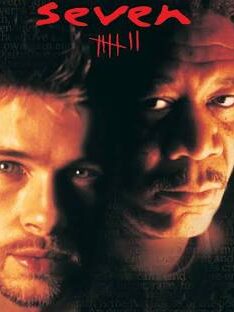
The sequence is built almost entirely from extreme close-ups of hands: cutting photographs, stitching a notebook, scratching out text. We never see a full face, which immediately establishes enigma — we know someone is meticulous and disturbed before we know who they are. The scratchy, hand-processed film texture and discordant industrial score signal psychological horror rather than action-thriller, and the jittery, frame-skipping editing style creates unease through technique alone rather than through dialogue or plot.
Baby Driver (2017) — Opening Titles / Coffee Run
Dir. Edgar Wright · Action/Crime
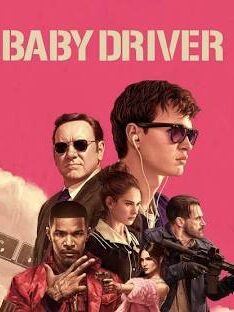
The opening is one unbroken take of Baby walking to get coffee, entirely choreographed to “Harlem Shuffle” playing through his earbuds — footsteps land on drum hits, background details (a mural, a passing sign) sync to specific lyrics. There’s almost no dialogue; his personality — rhythm-obsessed, quietly cool, slightly detached from the world around him — is established purely through movement and edit timing rather than being told to us.
Get Out (2017) — Andre Abduction Scene
Dir. Jordan Peele · Horror/Thriller
An isolated man walks through an unfamiliar, eerily quiet suburb at night. The camera holds him in wide/medium shots that make him look small against oversized, manicured houses — visually establishing vulnerability before anything happens. A car creeps up playing an old pop standard with unsettling lyrics; a joke briefly lightens the mood before he’s grabbed and dragged into the car. The blend of horror staging with a beat of comedy and social commentary primes the audience for a genre-crossing film from the very first scene.
The Dark Knight (2008) — Bank Heist Opening
Dir. Christopher Nolan · Action/Thriller
A cold open, disconnected from the main plot, follows a crew of masked robbers identified only by number, killing each other off one by one — revealing that their own boss orchestrated the betrayals himself for maximum profit. The Joker is introduced entirely through action and consequence, never named, his face unmasked only in the final shot alongside a single unsettling line of dialogue.
The Thriller Genre
Genre history & conventions research
The thriller genre’s core grammar traces back to Hitchcock — Psycho (1960) and Vertigo (1958) established the idea that dread is built through withheld information rather than shown violence, and through the audience knowing more (or less) than the characters on screen. That single idea — control of information as the source of tension — is still the backbone of almost every thriller made since.
Through the 1970s and 80s, the genre absorbed influence from horror and crime cinema, producing paranoid conspiracy thrillers and slasher-adjacent tension-building, with more explicit violence entering the mainstream as classification systems relaxed. The 1990s and 2000s saw a boom in psychological thrillers — films like Se7en and The Prestige moved enigma and twist endings to the centre of the genre, using close-ups, editing rhythm, and structure itself to control what the audience is allowed to know and when.
Since the 2010s, an “elevated” thriller/horror hybrid style — most associated with A24 — has dominated: genre conventions used more sparingly and deliberately, slower pacing, and ambiguity treated as a deliberate feature rather than something the plot needs to resolve by the end. Get Out and Hereditary are the clearest examples of this shift.
After many viewings of different openings with this genre, I got the impression that the start is extremely important and also its important not to reveal everything about our film at the start but keeping it ambiguous and up to interpretation if needed. Researching the genre’s history changed how I think about our pacing specifically — early drafts of the storyboard moved faster than this research suggests a “restrained” thriller should. Knowing the “elevated thriller” convention explicitly is what settled the group on holding shots longer (the extreme close-ups on the file) rather than cutting rapidly between them.
Production Companies & Logo Research
A24 — real production company research
A24 is an American independent entertainment company founded in 2012 by Daniel Katz, David Fenkel and John Hodges. It isn’t owned by a larger studio parent — its independence is central to its identity and branding. A24 is known for distributing and producing director-driven, often genre-adjacent independent films: titles like Moonlight, Lady Bird, Midsommar, Hereditary and Everything Everywhere All At Once. Rather than owning cinema chains or large-scale distribution infrastructure the way major studios do, A24 built its reputation through festival premieres, targeted marketing to a specific audience, and a strong sense of curatorial identity — audiences trust the “A24 logo” almost as a genre signal in its own right.
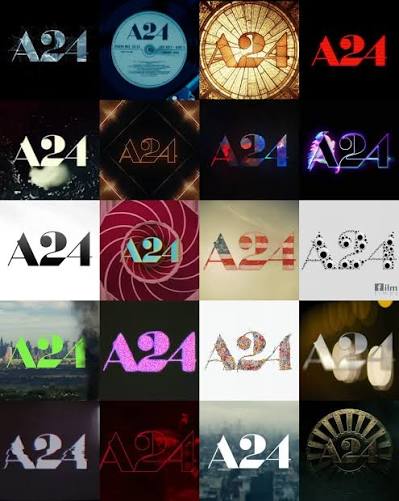
Their logo — a plain, minimalist wordmark — has stayed essentially unchanged since the company’s founding. That consistency is a deliberate branding choice: rather than redesigning to chase trends, the static, understated logo reinforces exactly the values the company is known for producing — restraint, confidence, and not over-explaining itself to the audience.
What I really like about A24 is they incorporate their logo in their openings, and is something that makes them unique and a brand that is known for having an opening with the similar theme. You can also see this in Blumhouse particularly its horror movies.