Research 1: Thriller Conventions
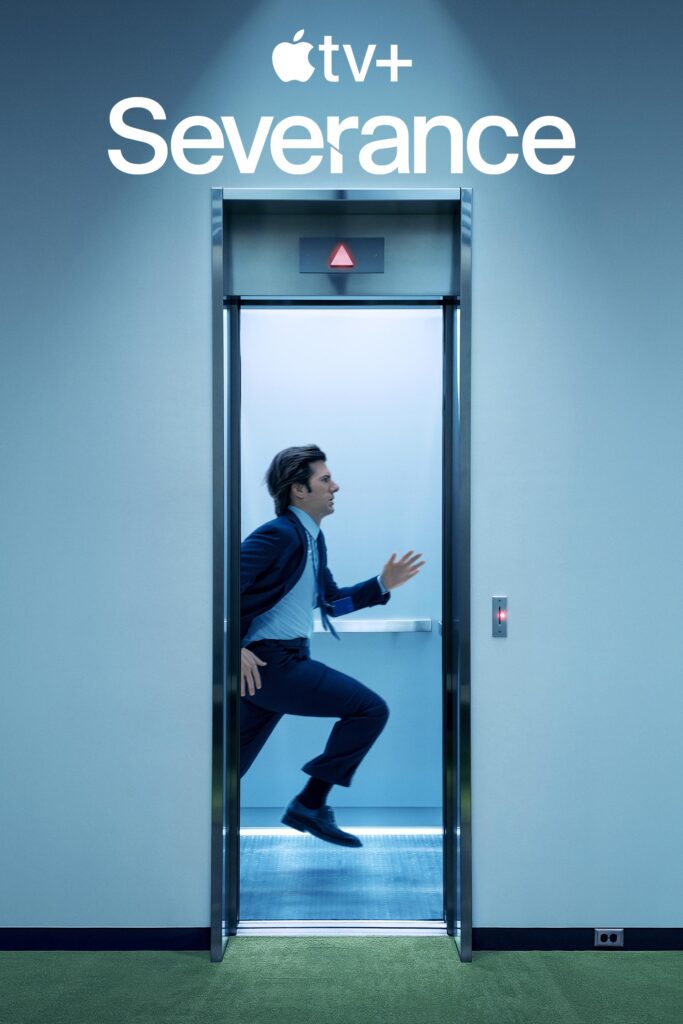
In class we watched Episode 1, Season 1 of the Apple TV Show ‘Severance’. This show is classified as a thriller and follows the narrative of a man named Mark who undergoes a procedure that separates his work and personal memories, creating tension between his two identities.
In this episode, we see key typical thriller conventions of suspense, tension, and high stakes. these are shown through the use of eerie music, unexpected plot twists, and a protagonist facing life-threatening danger. In our coursework, we will have the option of producing a thriller film opening, therefore we are researching the genre to help us with our decision.
Severance
Season 1, Episode 1: Good News about Hell
- Make notes on Lacey’s repertoire of elements as you watch the episode.
| Element | Conventions |
| Setting (mise en scene/locations) | Office: The workspaces are plain and dull, with no personal touches. This reinforces the idea that work is separate from personal life |
| Characters (representations, stereotypes, behavior, body language, specific actors/stars) Consider Propps character types. | Mark (Hero) – Emotionally numb outside work, obedient but conflicted inside. Slouched posture reflects struggle. Helly (Rebel/Seeker) – Defiant, resists severance, aggressive body language. |
| Narrative events (how is the narrative ordered and structured? Is it elliptical?) | Cold Open: The episode begins with Helly waking up on the conference table, confused and questioned |
| Iconography (well known or recognizable people/objects/buildings/mise en scene/props/costume, setting, symbolic codes) | Character Costumes: The employees at Lumen are dressed in similar, bland corporate attire (uniforms), visually signifying their conformity and lack of individuality.Setting: The sterile, high-tech office environment of Lumon is a key icon, symbolizing a soulless, oppressive corporate world. The clean, symmetrical architecture and dim lighting emphasize control and lack of individuality. Mise en Scene: The conference room, where Helly first wakes up, and the small, stark rooms emphasize the isolation and manipulation of the workers. |
| Style (technical and audio codes e.g. camera use, editing, sound, lighting, color) | Lighting: The high key lighting is harsh and artificial, making everything feel unnatural and mechanical (no shadows), like they are locked away from the outside world. This creates a sense of unease and highlights the dystopian setting. |
- Make notes on the following Macro elements as you watch.
| Story Arcs within the episode: make note of which are resolved by the end of the episode, and which will continue into the season. | Mark takes over Petey’s role. Helly completes her questionnaire. The story arcs are resolved, such as Mark taking over Petey’s role and Helly completing her questionnaire. However, important arcs remain unresolved, like Helly’s resistance to severance, Mark’s struggle with his dual identity, and the mystery of Petey’s disappearance. The control Lumon exerts over its employees and if they can escape. |
| Todorov’s Narrative Theory: In what ways does his theory apply (or not apply) to this episode. | Todorov’s narrative theory follows a five-stage structure: Equilibrium – A stable, normal world.Disruption – Something unsettles the balance.Recognition – The protagonist realizes the problem.Attempt to Repair – Actions are taken to fix it.New Equilibrium – A new state of stability forms. Equilibrium (Outside Work) – Mark’s normal life: grieving his wife, working at Lumon.Disruption – Helly wakes up in Lumon, confused and resistant. Mark is promoted after Petey’s sudden disappearance.Recognition – Mark and Helly both question the severance process. |
| Binary Oppositions: list and explain the oppositions present in the episode. How is this adding to narrative conflict? | Work vs. Personal Life – The severance procedure creates a complete separation, driving tension between the “Innie” and “Outie” selves. Freedom vs. Control – Helly’s resistance clashes with Lumon’s strict rules, creating conflict. Obedience vs. Rebellion – Mark follows the system, while Helly fights against it, highlighting different responses to oppression. |
| Themes: What themes can you identify in the episode and how are these being portrayed so far? | Isolation & Grief – Mark’s outside life is lonely and sorrowful, contrasting with his artificial detachment at work.Identity – The severance procedure splits employees into two versions of themselves, raising questions about autonomy and consciousness. |
Research 2: Impact of technology and audience on Genre:
CHOSEN GENRE: THRILLER
In class we have been learning about the Macro Element Genre. Both Nick Lacey (Repertorie of Elements Theory) and Steve Neale (Genre Theory) agree that genres change over time, however a set of common conventions help the audience to relate to a text. Neale discusses that a combination of familiar elements and new, unfamiliar conventions are what keep texts innovative and interesting. Here is my table of research on how the genre Thriller has changed over time due to socio-cultural influences, audience preferences and technological developments.
| How thrillers evolved: | Examples: | |
| Technology changes: | Special effects, sound design, and digital editing enhanced suspense. New tech-inspired themes (cybercrime, social media, AI). Streaming changed consumption habits. | Mr. Robot (2015) – cybercrime; Searching (2018) – social media; Zero Dark Thirty (2012) – realistic action |
| Socio-cultural shifts: | Reflect societal fears, moral anxieties, and social issues. Themes became more psychological, political, or socially conscious. | Psycho (1960) – psychological fear; The Manchurian Candidate (1962) – Cold War paranoia; Get Out (2017) – racial tension |
| Audience changes: | Viewers expect complex characters, moral ambiguity, plot twists, and faster pacing. Niche subgenres became popular due to global audiences. | Gone Girl (2014) – unreliable narrators; Shutter Island (2010) – psychological complexity |
Film Opening Convention- Research
Though every film opening differs in a variety of different ways, they often include a set of typical conventions, which each have their own intended purposes. Some of these repeated conventions include:
PRODUCTION LOGO AND FILM TITLE:
At the beginning of almost every film, a production logo is shown to mark the work as a company, allowing audience members to link the work
ESTABLISHING THE GENRE:
establishing the genre is one of the most important parts of a film’s opening, as it is one of the things viewers look for to help them understand what atmosphere the film writers are trying to create
CHARACTER INTRODUCTION:
In the beginning of every film opening, characters are typically introduced within the first few minutes. this is an extreamly important aspect of film openings as it allows audiences to form a connection withi these charecters, which grips them and makes them want to keep watching the film as they contiue to become more invested in the story line.
TOPIC/THEME:
The topic and theme are another factor which is important, as topic and themes within a films opening allow the audience to understand what direction the film is going within its first moments. this again has the same effect in gipping audiences while it also stops viewers feeling confused, which they would if the topic or theme was introduced half way through the film. it also builds the world of a film, and overall is more emesive for viewers to watch as they begin to create understandings and take on board the films concepts.
SUSPENSEFUL OPENING
ANTAGONIST/PROTAGINIST INTRODUCTI-ON
FLASHBACK
ESTABLISHING SHOT
ENGAGING VISUALS
In class, we have analysed a multitude of film openings to consider their conventions and how the film opening works to engage the audience.
ANALYSIS OF BABY DRIVER
Baby Driver (2017) – Opening
| Aspect | Analysis |
| Conventions | Fast-paced editing; car chase action; point-of-view shots; character established through actions rather than dialogue; synchronized music with visuals. |
| Audience Engagement | Immediate excitement and energy; draws audience into Baby’s perspective; builds empathy through his skill and personality; hooks audience with stylish action. |
| Credits and how do they align with the overall mood/tone of the opening | The credits in this opening are bold and large, which establishes the genre as action, along with the animations used, also creates a sense of ambiguity and leaves the viewer wanting to see where the film will go. |
| Micro elements used and how they create meaning | -uses a variety of different cuts within editing (action match, straight cuts, etc) which enhance the action and creates tension within the scene with high stakes as the quick pacing of the cuts mimics and enhances the fast nature and intense action of the scene. -this opening uses a wide range of different camera angles, including areal shots of the car, wide shots, and close ups of the driver. these shots all work together to enhance the action of the scene, as the viewer is seeing the full scale of events, from every possible angle, while the close ups of the characters show there emotions and reactions to the situation which allows viewers to connect with what is going on. – groovy music is also used within this opening. when paired with the high paced visual and editing it makes the characters seem cool and bad, establishing the genre as action. |
ANALYSIS OF INCEPTION
Inception (2010) – Opening
| Aspect | Analysis |
| Conventions | Slow, mysterious build-up; atmospheric visuals; exposition through dialogue; dreamlike imagery creating ambiguity; suspenseful unanswered questions. |
| Audience Engagement | Engages curiosity about the dream world; builds suspense gradually; encourages careful attention to detail; establishes importance and scale of the mission. |
| Credits and how do they align with the overall mood/tone of the opening | The credits in this opening are minimal, only showing the production logo. this alines with the overall mood of the opening, mysterious and serious. by not using long credits the audience stays focused on the actual film, keeping the audience tense. |
| Micro elements used and how they create meaning | In the opening, micro elements create a mood of mystery and confusion for the audience, and the dark colours also add to on as it makes the scene feel tense. the editing used gives it a dreamlike effect, and the ragged clothes makes the audience think he is vulnerable. these elements make the audience feel unsure, confused of the films theme. |
| GONE GIRL (2014) | PRISONERS (2013) |
| ANALYSIS: Gone Girl is a psychological thriller about relationships and hidden danger. The film contrasts clam domestic scenes with darker undertones and unsettling framing to suggest that something is wrong beneath the surface. building gradual suspense. | ANALYSIS: prisoners is a psychological thriller about 2 missing children and the desperate search that follows. the film builds tension though, low lighting and a slow suspenseful pace, creating an atmosphere where danger feels close. |
| WHAT WE COULD USE AS INSPIRATION: This film highlights how tension can be built through subtle cues and atmosphere rather than immediate actions. using clam scenes that slowly build tension, through, changes in pacing or strange camera angles, could be effective for our 2 minute short film opening. | WHAT WE COULD USE AS INSPIRATION: this film shows how ordinary environments can be made unsettling by tones and atmosphere. techniques like lighting, and lingering shots can change the atmosphere of a film drastically. these could be applied to our short 2 minute film opening to build suspense. |